


Do you ever dream of simpler times? Of when the Instagram app icon was actually a polaroid camera instead of a vague, ombre abstraction of one?
Back then, Instagram was actually a social media. It had a function for posting, sharing feedback through likes and comments, and a way to keep in touch with friends. Even if I couldn’t hang out with people in person, they were only ever a few taps away. It felt like this app actually had a purpose.
In recent weeks, Meta has been trialing different layouts on Instagram with, what I believe to be, the goal of increasing user engagement. The update added DMs to the navigation bar, rather than being in the top right corner of the homepage, and users are also now able to swipe between these tabs for a more efficient, streamlined experience.
I was one of few people who actually received two different versions of this update. The order of my navigation bar was initially the homepage first, DMs second, reels third, and so on. As someone who only really uses Instagram to message people, this update was pretty exciting. “This is so much better,” I remember thinking, “I could get used to this!”
Except, when I did get used to the action of swiping between Insta’s homepage and DMs page, I received another version where the DMs and reels tabs were swapped. Now every time I try to message somebody, I swipe and am met not with the DMs page I had gotten used to, but a dizzying onslaught of short-form content. Once the first reel interests me even slightly, I find my thumb itching for more, scrolling and scrolling until time has spun away from me hopelessly, and I cannot even remember how I got here in the first place.
My experience highlights how this new update may be great for user engagement, but terrible for the user. It’s one thing to receive a poor update, but it’s even worse to know that it could have been better. Unfortunately, this version appears to be the one Instagram is sticking with.
Before these trials began, head of Instagram Adam Mosseri said: “Messaging, reels, and recommendations have driven most of our recent growth. So, over the next few months, we’re going to better organise the app around those features.” Although he placed messaging at the front of his list, the real thing Instagram seems to be prioritising is their short-form content. And this makes sense, because the best way to make sure users stay on your app is to trap them with reels. If it were down to me, I’d close the app after just a few minutes of catching up on messages. Instead, because I’m being exposed to the chance of being hooked by a reel when swiping between the homepage and DMs page, I now spend up to forty minutes longer a day on the app.
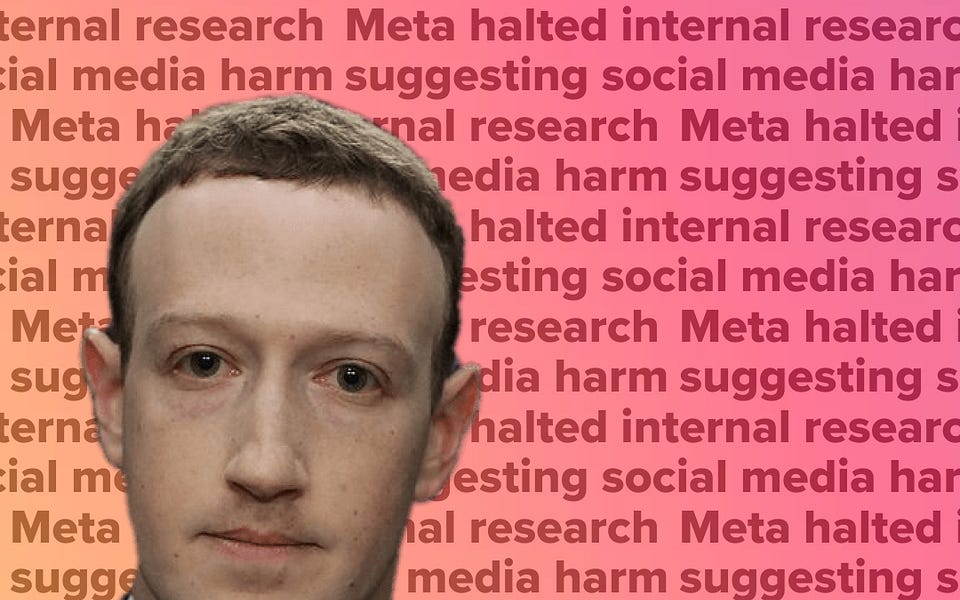
There’s no need to debate whether this god-awful update was intentional or not. Of course it was. Meta is a company worth over a trillion dollars. They most certainly have the money to hire behavioural researchers and implement user-centred design, but this kind of user retention is much more beneficial for them. After all, more time spent on the app = more data to collect and sell to advertisers. But it doesn’t improve user experience, and it actively damages our health. I can tell you now that all the extra time I’ve spent scrolling has negatively impacted my daily life. Massively. Not only am I wasting time watching videos I can’t even remember, but I can feel the dopamine receptors in my brain malfunctioning.
The general consensus on short-form content is that it is so addictive because it provides us with instant dopamine release, and our brain becomes used to this happy feeling so much that, when we return to real life and realise we cannot receive the same instant gratification, doing even the most simple of daily tasks just feels impossible. Hell, even though I knew writing this article would be so cathartic, I just couldn’t get myself started because I knew the initial dopamine hit wouldn’t be there. Rather than centering what the user wants, which is to stay connected with their social network, this navigation bar update prioritises Meta’s goal of keeping users on their app, regardless of how it affects our mental health and daily lives.
However, it is difficult to stop using an app so skilfully integrated into our daily social lives. I’ve taken to messaging most people through WhatsApp instead, but that’s also owned by Meta, so I sometimes wonder how long it will take them to add short-form content there too. Instagram was once a functional app for connecting with your social circles. Now it has the added feature of being a hostile virtual space we have no choice but to navigate. Corporations, for as long as it is profitable for them to do so, will always happily sell out our attention spans for cash. It’s up to us, whether you think it’s fair or not, to make these hostile online spaces functional again.